
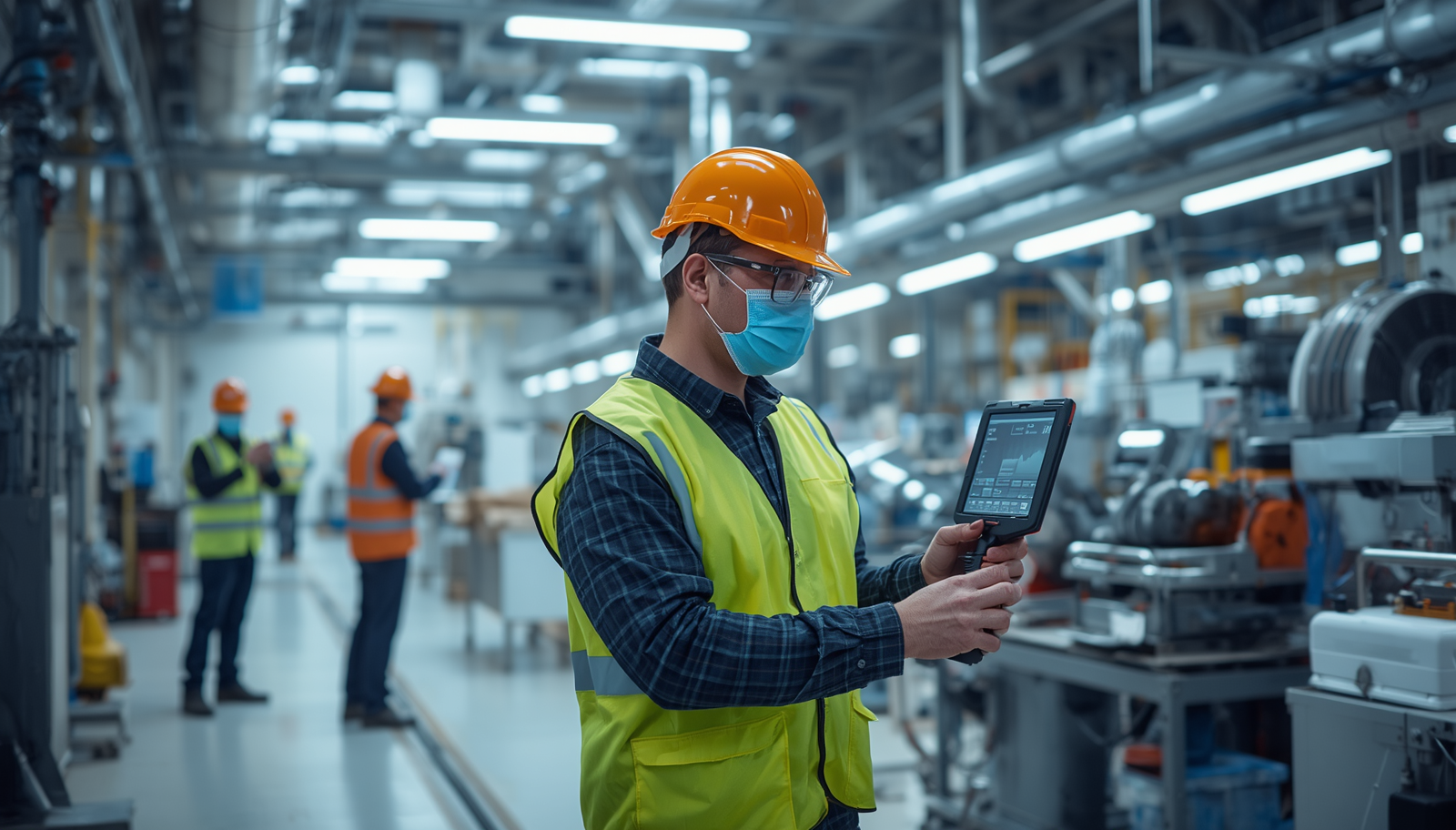
The Role of Industrial Hygiene in Occupational Health Programs
Every organization strives to provide a workplace where employees can perform their jobs safely and efficiently. Yet many occupational hazards are invisible to the naked eye. Airborne contaminants, chemical vapors, excessive noise, biological agents, heat stress, and ergonomic strain can all affect employee health long before symptoms become noticeable.
These hidden risks make occupational health management far more complex than simply responding to workplace injuries. Organizations need a proactive system that identifies hazards, evaluates employee exposure, and recommends effective controls before health problems develop. This is the foundation of industrial hygiene.
Industrial hygiene is one of the most important disciplines within occupational health because it focuses on anticipating, recognizing, evaluating, and controlling environmental factors that may affect employee health. Rather than reacting after illnesses occur, industrial hygiene emphasizes prevention through science, data, and continuous workplace improvement.
For organizations operating in manufacturing, oil and gas, aerospace, utilities, transportation, pharmaceuticals, chemical processing, mining, healthcare, and other high-risk industries, industrial hygiene is not simply a regulatory requirement—it is an essential business strategy that protects employees while improving operational performance.
What Is Industrial Hygiene?
Industrial hygiene is the science and practice of identifying, evaluating, and controlling workplace environmental hazards that may cause injury or illness.
Industrial hygienists work alongside occupational health professionals, safety teams, engineers, and organizational leadership to ensure workplace exposures remain within acceptable limits while protecting employee well-being.
Industrial hygiene programs typically address hazards such as:
Chemical exposure
Airborne dust
Toxic gases
Vapors and fumes
Biological contaminants
Noise exposure
Heat and cold stress
Radiation
Ergonomic hazards
Indoor air quality
Ventilation performance
Rather than focusing on one specific hazard, industrial hygiene evaluates the complete work environment to understand how employees interact with workplace risks throughout their daily activities.
Why Industrial Hygiene Matters
Occupational illnesses rarely develop overnight.
Many workplace exposures accumulate over months or years before symptoms become noticeable. Employees may continue performing their responsibilities while unknowingly experiencing harmful exposure levels that could eventually lead to chronic illness.
Industrial hygiene helps organizations interrupt this process before lasting health effects occur.
The benefits extend beyond employee protection.
Effective industrial hygiene programs help organizations:
Reduce workplace illnesses
Improve employee productivity
Lower workers' compensation costs
Support regulatory compliance
Improve operational efficiency
Strengthen workforce confidence
Protect organizational reputation
Support sustainable business growth
Organizations that proactively monitor workplace conditions are better equipped to manage risk than those relying solely on incident response.
The Four Fundamental Principles of Industrial Hygiene
Industrial hygiene follows four core principles that guide workplace health protection.
1. Anticipation
Industrial hygienists evaluate planned processes, new equipment, and operational changes before hazards affect employees.
For example, before introducing a new manufacturing process, an industrial hygiene assessment can identify potential airborne contaminants, excessive heat generation, or ergonomic concerns.
Planning ahead often prevents expensive corrective actions later.
2. Recognition
Once workplace activities begin, potential hazards must be identified.
Recognition involves examining:
Work processes
Equipment
Chemicals
Materials
Employee job tasks
Environmental conditions
Industrial hygienists also consider how employees interact with their environment throughout an entire shift.
3. Evaluation
After hazards are identified, exposure levels must be measured.
Evaluation may involve:
Air sampling
Noise monitoring
Surface contamination testing
Heat stress monitoring
Ventilation analysis
Exposure modeling
Objective data allows organizations to understand actual workplace conditions instead of relying on assumptions.
4. Control
The final step focuses on reducing exposure through effective control measures.
Industrial hygienists recommend controls using the hierarchy of controls, beginning with elimination and engineering solutions before relying on personal protective equipment.
This systematic approach creates sustainable improvements in workplace health.
Common Workplace Hazards Industrial Hygiene Addresses
Industrial hygiene programs evaluate numerous occupational hazards depending on the industry.
Examples include:
Airborne Contaminants
Dust, fumes, vapors, smoke, and gases can negatively affect respiratory health.
Routine exposure monitoring helps organizations identify areas requiring improved ventilation or additional protective measures.
Noise
Excessive workplace noise remains one of the most common occupational hazards.
Industrial hygiene professionals perform noise mapping and exposure monitoring to determine whether hearing conservation measures are necessary.
Chemical Exposure
Employees handling hazardous chemicals require ongoing evaluation to ensure exposure remains within acceptable occupational limits.
Chemical exposure assessments often include air monitoring, process evaluations, and recommendations for engineering improvements.
Heat Stress
Employees working outdoors or near high-temperature equipment may experience dangerous heat exposure.
Industrial hygiene assessments help organizations evaluate environmental conditions and implement heat illness prevention strategies.
Ergonomic Risks
Repetitive motion, awkward postures, and heavy lifting contribute significantly to musculoskeletal disorders.
Industrial hygiene evaluations identify opportunities to redesign workstations and improve task efficiency.
The Value of Exposure Monitoring
Exposure monitoring is one of the most valuable components of industrial hygiene.
Monitoring provides objective evidence regarding employee exposure levels and allows organizations to:
Verify engineering control effectiveness
Identify emerging hazards
Improve medical surveillance programs
Support compliance documentation
Prioritize corrective actions
Without accurate monitoring data, organizations may underestimate workplace risks.
Industrial Hygiene and Regulatory Compliance
Many occupational health regulations require organizations to evaluate and control workplace exposures.
Industrial hygiene programs help employers:
Conduct required exposure assessments
Document workplace conditions
Maintain monitoring records
Develop exposure control plans
Support medical surveillance
Prepare for inspections and audits
Strong industrial hygiene practices demonstrate a proactive commitment to protecting employees while maintaining regulatory readiness.
Building a Culture of Prevention
Perhaps the greatest contribution of industrial hygiene is its emphasis on prevention.
Instead of waiting for injuries or illnesses to occur, organizations actively identify risks, measure exposures, and improve workplace conditions continuously.
This proactive approach encourages employees and leadership to work together toward the common goal of maintaining a healthier, safer workplace.
Over time, organizations benefit from:
Fewer occupational illnesses
Stronger employee engagement
Increased operational efficiency
Improved regulatory performance
Enhanced organizational resilience
Conclusion
Industrial hygiene is a cornerstone of modern occupational health programs. Through systematic hazard recognition, exposure monitoring, workplace evaluations, and preventive control strategies, organizations can significantly reduce occupational health risks while improving employee safety and operational performance.
Investing in industrial hygiene is an investment in workforce health, regulatory readiness, and long-term organizational success.
MedStrong partners with organizations to develop comprehensive industrial hygiene strategies that identify workplace hazards, reduce employee exposure, and strengthen occupational health programs. Contact MedStrong today to learn how expert industrial hygiene consulting can help protect your workforce and support a safer, healthier workplace.
